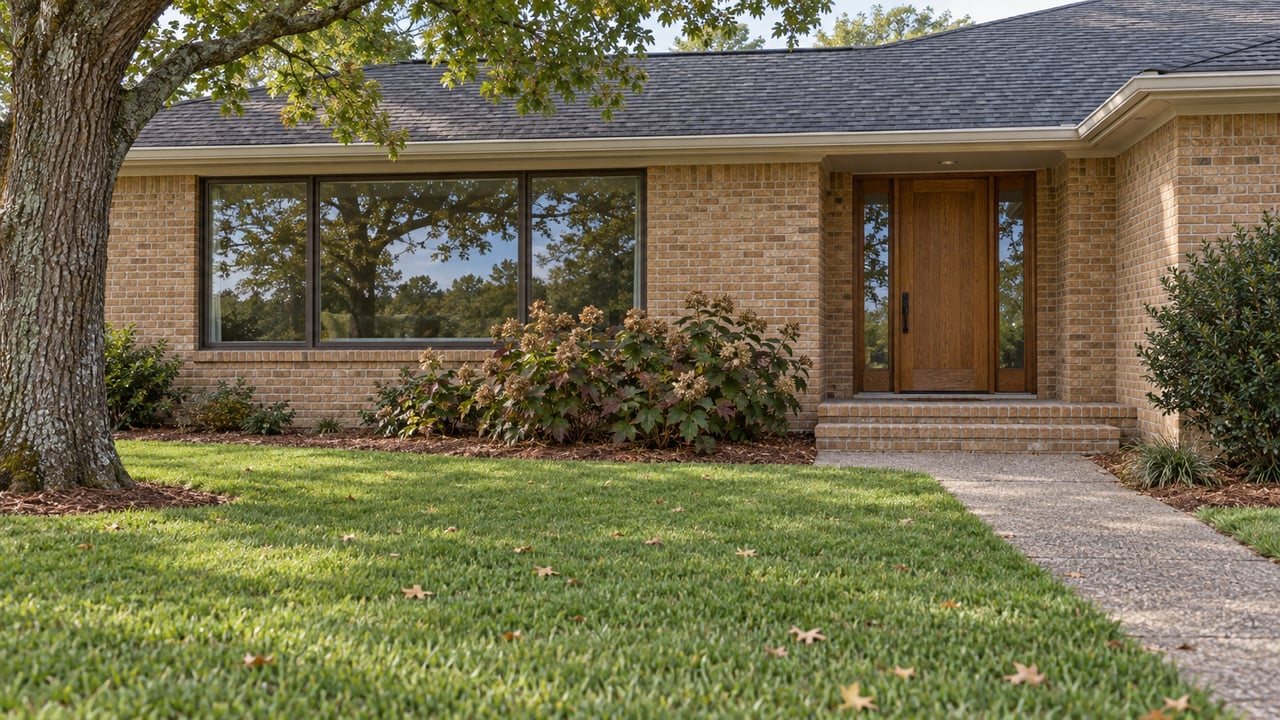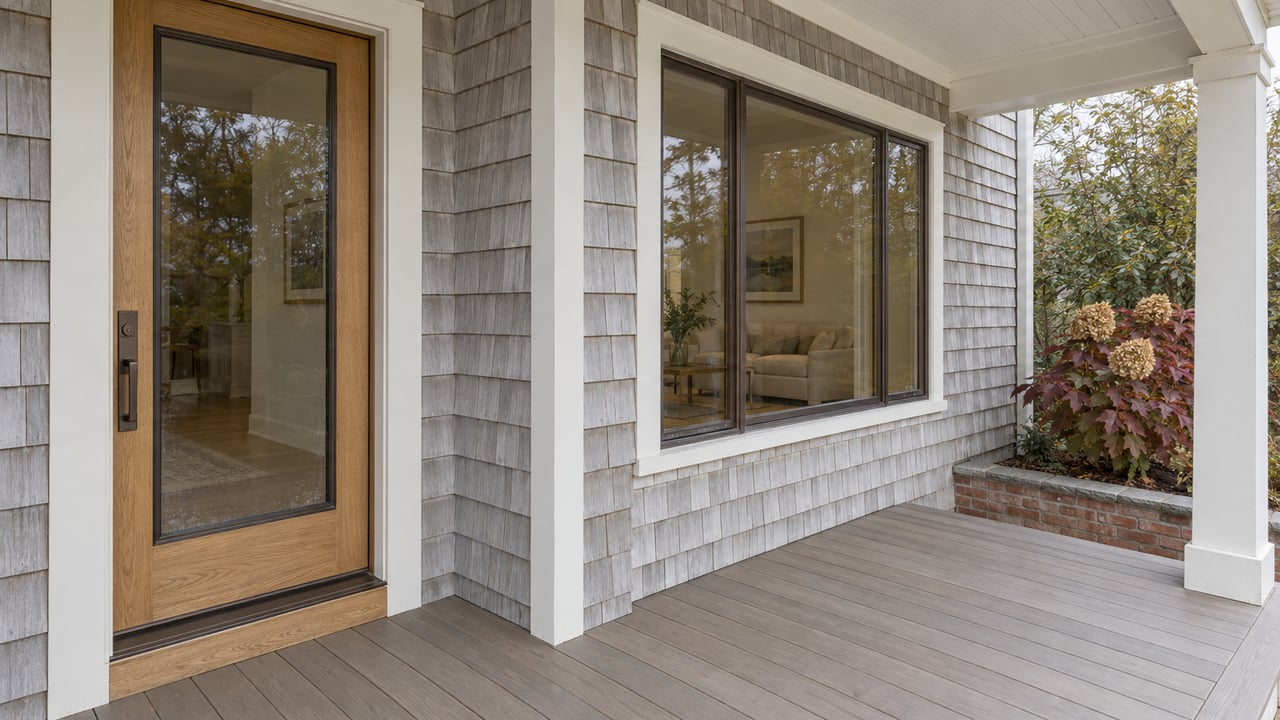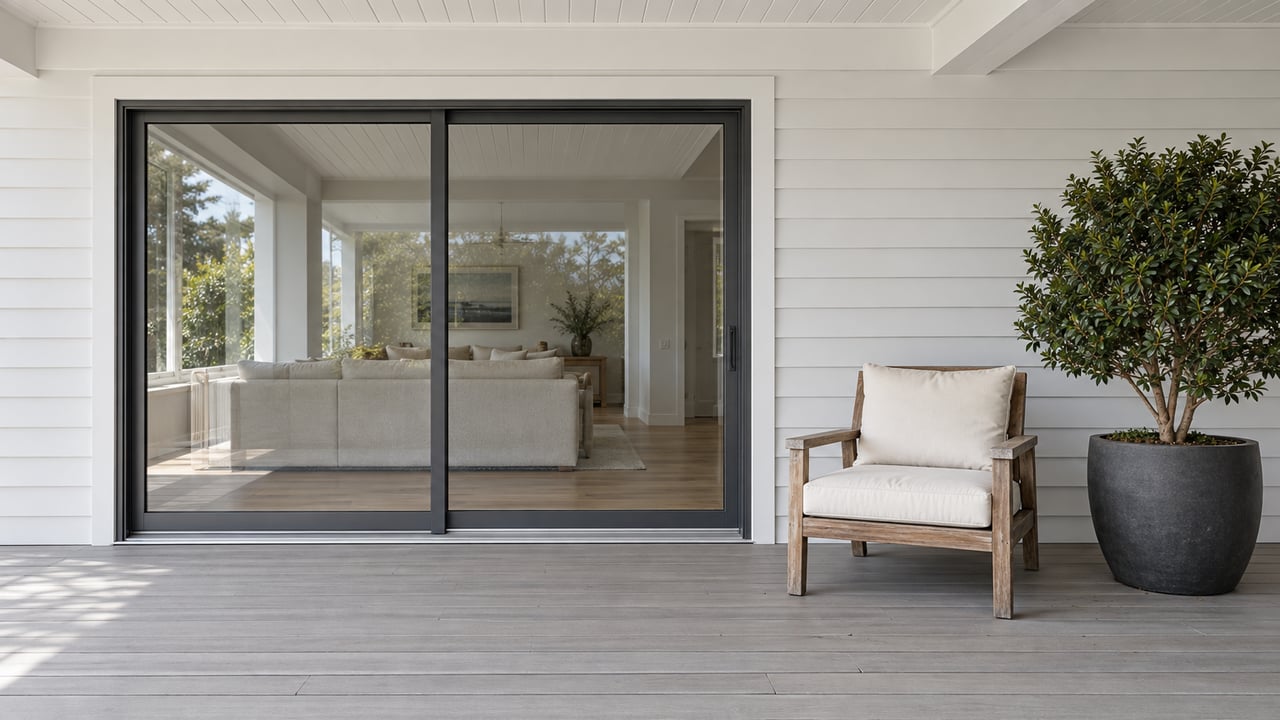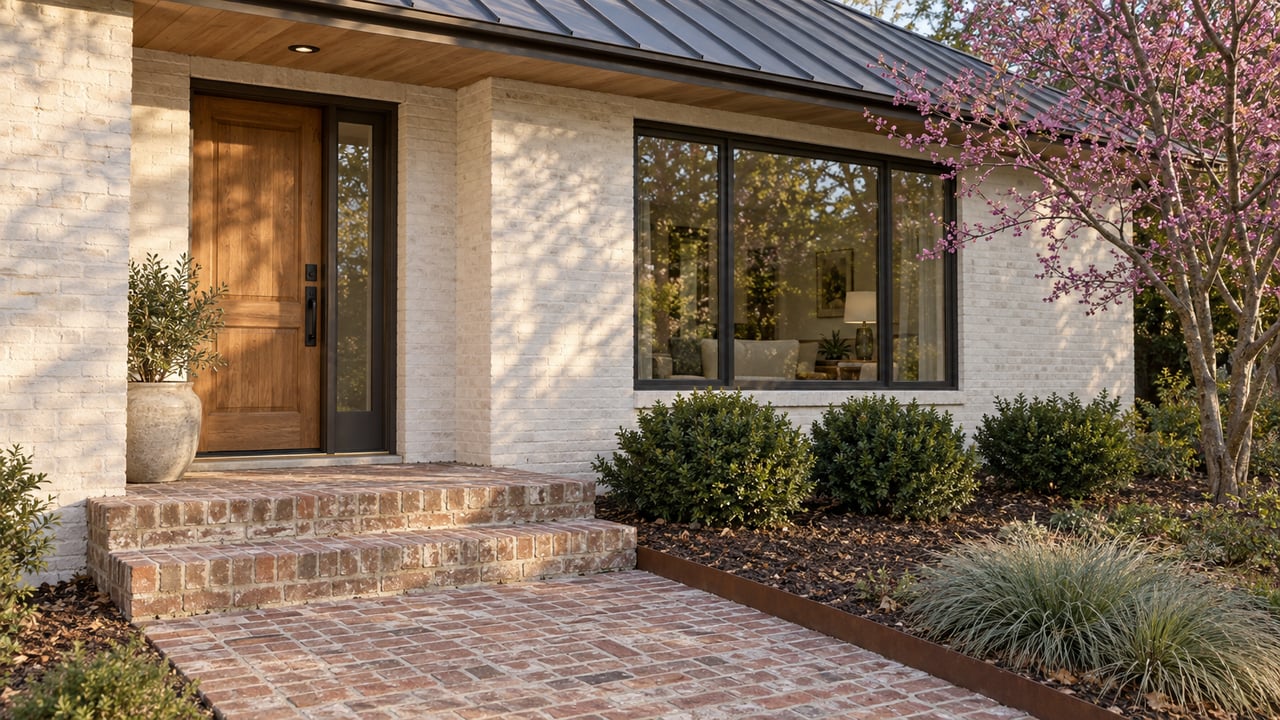
Buying in Croatan is not like buying in a typical Virginia Beach neighborhood. Inventory is limited, price points are high, and the homes themselves often come with waterfront, beach-access, and coastal-risk details that can affect both your offer strategy and your long-term ownership costs. If you want to buy here with confidence, you need more than excitement about the location. You need a plan for timing, due diligence, and resale logic. Let’s dive in.
Why Croatan feels different
Croatan is a premium beachfront micro-market just south of Rudee Inlet, made up mostly of single-family homes rather than a condo-heavy resort mix. The neighborhood is closely tied to beach access, and the City of Virginia Beach notes amenities like parking, restrooms, showers, and a beach access ramp at Croatan Beach. In practical terms, that means proximity and ease of use are part of what buyers are really paying for.
The pricing also sets Croatan apart from the broader Virginia Beach market. Realtor.com reports a median listing price of $1.487 million in Croatan, while the broader Virginia Beach market shows a median list price of $445,000. That gap helps explain why buyers here should treat Croatan as its own market, not as a simple extension of the citywide numbers.
What inventory looks like
Croatan is a low-supply market. Current reporting shows roughly 7 to 9 homes available, depending on the platform and timing. Even allowing for differences in methodology, the message is consistent: there are usually only a handful of options at any given time.
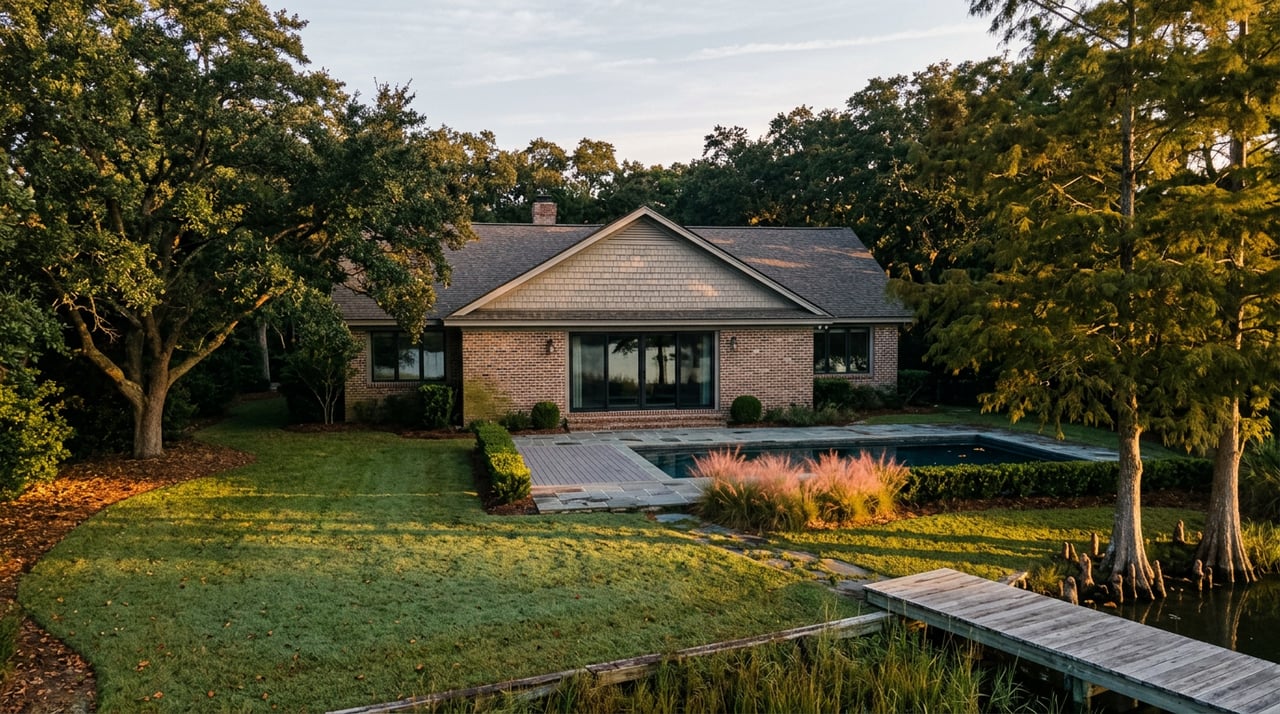
The active listing mix also matters. Current examples point to larger detached homes, often with 3 to 6 bedrooms and roughly 2,900 to 5,800 square feet. Some listings highlight waterfront positioning, private docks, updated pools, and other outdoor-living features that are central to the coastal lifestyle buyers expect here.
Expect varied home styles
In Croatan, you may be comparing very different types of properties. One home might be a legacy beach house with older systems, while another may be a renovated single-family home with more modern finishes and mitigation upgrades. A third may be a higher-end waterfront property where dock condition, views, and outdoor living are just as important as the interior.
That variety is why your search criteria need to go beyond bedroom count and square footage. You should be clear on which tradeoffs matter most to you, including lot position, beach access, water exposure, renovation level, and carrying costs tied to insurance or maintenance.
How competitive the market really is
Croatan is competitive, but not in a one-size-fits-all way. Realtor.com characterizes it as a buyer’s market as of March 2026, while Redfin reports a median sale price of $1.20 million and about 25 days on market over the three months ending April 2026. The takeaway is that demand is real, but not every home sells instantly or far above asking.
That is important because buyers sometimes assume a beachfront market automatically requires an aggressive over-ask offer with minimal protections. Recent Croatan sales suggest otherwise. Some homes have closed at list, while others sold 3% to 20% below list after spending more time on the market.
Write strong offers, not reckless ones
A strong offer in Croatan should be informed, not impulsive. You may need to move quickly when the right home appears, especially during higher-visibility beach season, but speed should not replace discipline. In many cases, careful pricing analysis and smart contract structure can be more effective than simply offering the highest number possible.
For buyers, that means focusing on the full package:
- Price relative to recent comparable sales
- Inspection timing and contingency strategy
- Insurance and flood review early in the process
- Permit and repair documentation
- Closing timeline that works for the seller without exposing you to unnecessary risk
Why timing matters in Croatan
Croatan’s lifestyle appeal is highly seasonal. Paid parking typically runs from April through September, lifeguards are on duty from Memorial Day weekend through Labor Day weekend, and transit support is strongest from mid-May to Labor Day. That seasonal rhythm likely increases visibility for homes in late spring and summer, when buyers can experience the neighborhood at its most active and accessible.
If you are shopping from out of area, that timing matters even more. A home can feel very different when the beach is fully in use, parking is active, and outdoor spaces are easy to evaluate in real conditions. Seasonal demand does not mean you should avoid summer, but it does mean you should be prepared before the best-fit property hits the market.
Get ready before you tour
In a thin-inventory market, preparation creates leverage. Before you seriously shop, you should have your financing or proof of funds organized, your must-haves narrowed, and your inspection and insurance questions ready. That helps you move decisively without sacrificing due diligence.
A practical prep list includes:
- Define your ideal location within Croatan
- Set a realistic all-in budget, including insurance
- Review likely property types you will consider
- Be ready to tour quickly when a match appears
- Plan for early inspection and document review
Flood and insurance should be early conversations
In Croatan, flood and coastal risk are not side topics. They should be central to your decision-making from day one. FEMA notes that coastal communities can face storm surge, waves, and erosion, and that flood insurance is separate from homeowners insurance.
For some properties, flood insurance may be required if the home is in a high-risk flood area and the mortgage is government-backed. FEMA also notes that standard NFIP policies typically have a 30-day waiting period unless coverage is mandated, which is one more reason not to leave this until the last minute.
Check the floodplain status early
Virginia Beach’s floodplain office says city code regulates development in floodplains and that permits are required for construction or development in Special Flood Hazard Areas. The city also advises buyers to use FEMA’s Flood Map Service Center and the city’s floodplain map to review a specific address. Just as important, the city notes that a property outside a shaded floodplain area is not risk-free. It simply indicates lower currently mapped risk.
That distinction matters when you are comparing homes that look similar on the surface. Two properties with the same beach appeal can carry very different insurance implications, resilience features, or permit histories.
What to review during due diligence
In a coastal purchase, the inspection period should answer more than standard questions about age and condition. The CFPB advises buyers to schedule an independent inspection as soon as possible, use an inspection contingency when available, and ask directly whether the property has had prior natural-disaster damage and how repairs were handled. In Croatan, that guidance is especially relevant.
You should also ask whether there has been saltwater-related impact, whether flood-mitigation work has been completed, and whether major repairs were properly documented. For any property with additions, exterior improvements, or resilience upgrades, permit history is worth reviewing early.
Documents worth requesting
Before you move too far down the contract path, ask for as much clarity as possible. Clean documentation can protect you now and support resale later.
Request items such as:
- Seller disclosures and repair history
- Records of prior flood or storm-related damage
- Documentation for completed repairs
- Permit records for renovations or structural work
- Information on flood insurance, if applicable
- Details on mitigation features and maintenance history
Think about resale while you buy
The best Croatan purchases are not only enjoyable today. They also make sense for the next buyer. In a premium coastal market, future resale value will often depend on how clearly a home can answer practical questions about beach access, maintenance, risk, and insurability.
Current listings already show that lifestyle features help shape value. Waterfront positioning, docks, pools, and outdoor entertaining areas are part of the appeal. At the same time, long-term buyer confidence may increasingly favor homes with organized records, visible resilience measures, and straightforward insurance documentation.
Features that may support future demand
No feature guarantees resale performance, but several factors are likely to remain important in Croatan:
- Convenient beach access
- Outdoor living spaces that are easy to enjoy
- Waterfront amenities such as a dock, when relevant
- Pools or other resort-style exterior features
- Clear maintenance and repair records
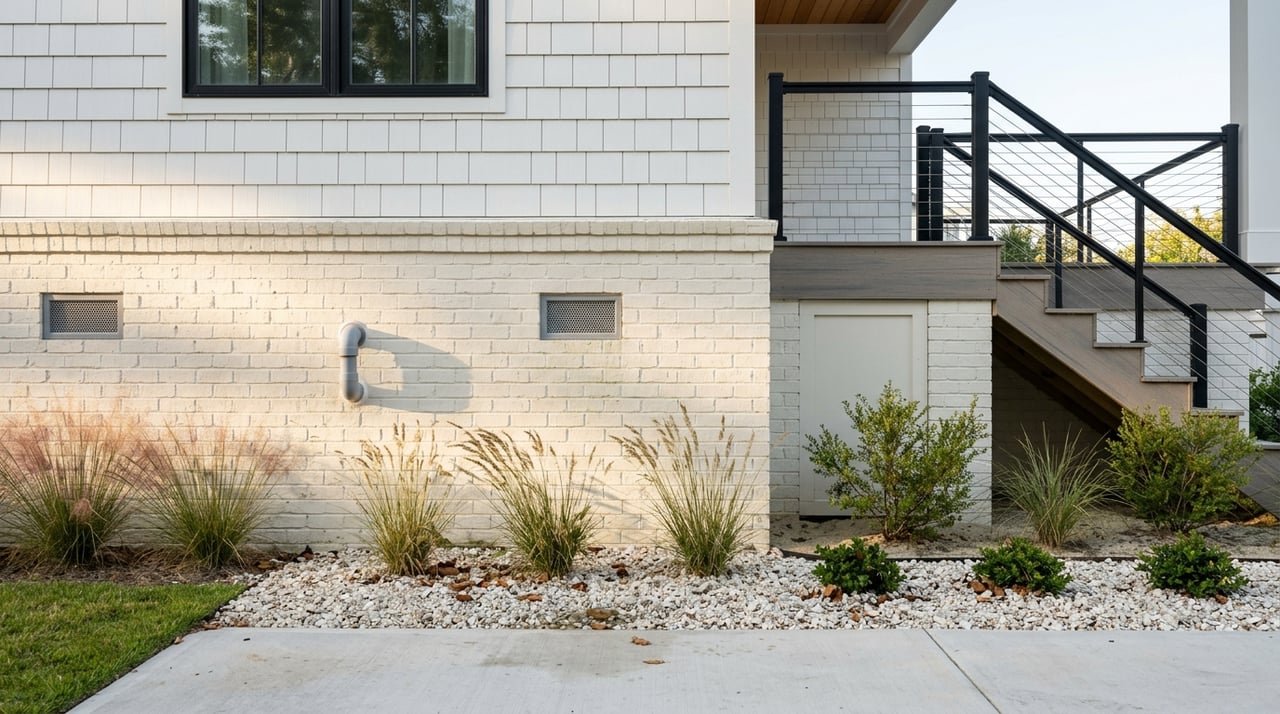
- Documented mitigation or resilience improvements
The city and the U.S. Army Corps of Engineers are studying long-term storm-risk measures in Virginia Beach, with Croatan being considered in planning materials for options such as floodwall or dune measures. That does not predict a final outcome, but it reinforces why buyers pay attention to risk management and property documentation in this market.
How to buy with more confidence
If you want to buy in Croatan successfully, your process needs to match the market. That means understanding pricing, moving quickly when a strong fit appears, and treating flood, insurance, and permit review as essential steps rather than afterthoughts. In a neighborhood where only a small number of homes may be available at once, clarity and preparation can give you a real advantage.
At Thompson and Partners, we believe luxury is the experience, not just the price point. In a market like Croatan, that means helping you evaluate the home itself, the coastal ownership realities behind it, and the strategy needed to make a smart move with fewer surprises. When you are ready to buy with a more precise plan, connect with The Agency.
FAQs
How many homes are usually for sale in Croatan Beach?
- Current market snapshots in the research show roughly 7 to 9 homes for sale, depending on the platform and timing, which points to very limited inventory.
Is Croatan Beach competitive enough to waive contingencies?
- Recent sales suggest buyers should stay disciplined because some homes sell at list while others close below list, so waiving protections should not be treated as an automatic strategy.
What flood questions should buyers ask about a Croatan Beach home?
- Ask about flood zone status, current flood insurance, prior storm or flood damage, completed repairs, permit records, and any mitigation work that may affect ownership costs or future resale.
What types of homes are most common in Croatan Beach?
- The current listing mix points mainly to larger single-family homes, including legacy beach houses, renovated detached homes, and higher-end waterfront or near-water properties.
What features matter most for Croatan Beach resale?
- Based on the market and local coastal context, buyers often pay close attention to beach access, outdoor living, docks, pools, maintenance history, and clear documentation related to repairs and resilience.
When is the best time to buy in Croatan Beach?
- Late spring and summer likely bring the most visibility because beach access is easiest to experience then, but well-prepared buyers can find opportunities in any season when the right property becomes available.