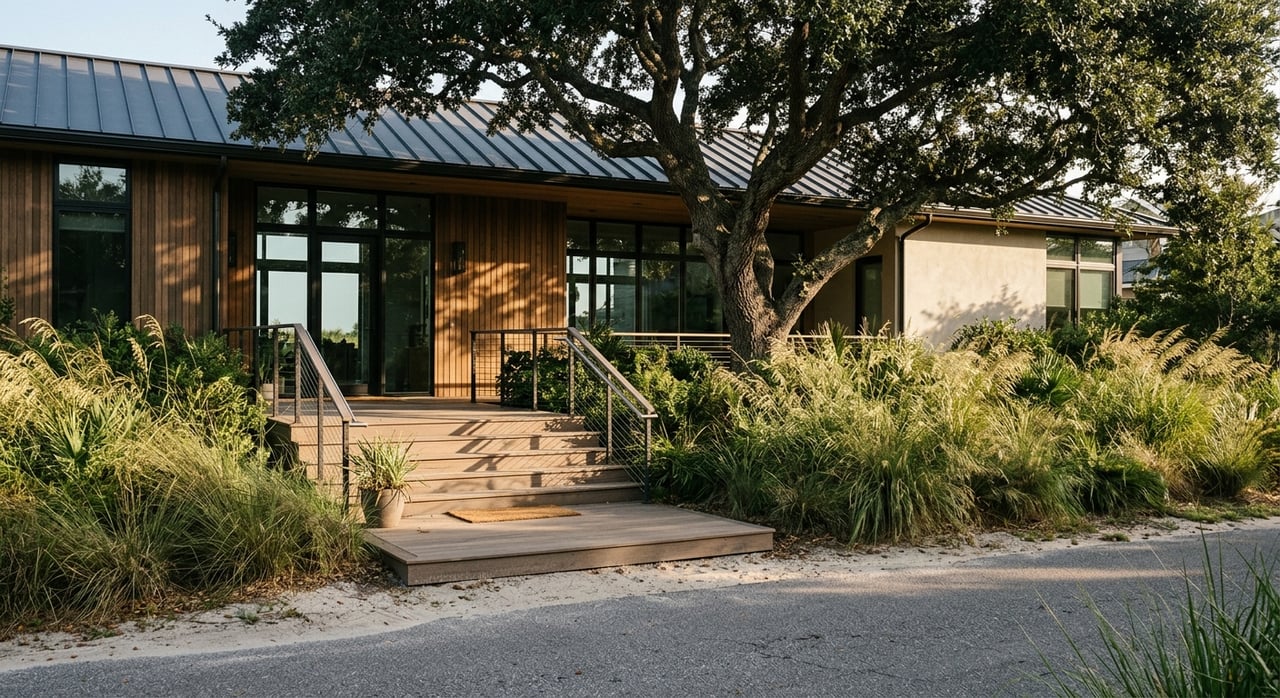
Looking for a stretch of Virginia Beach that feels close to the Oceanfront but not caught up in its nonstop activity? The North End stands out because it offers a quieter, more residential version of coastal living, where beach access, walkable routines, and tucked-away streets shape daily life. If you are trying to decide whether this part of Virginia Beach fits your lifestyle, this guide will help you understand what makes the North End distinctive and what to keep in mind as you explore it. Let’s dive in.
What Defines the North End
The North End is not simply an extension of the boardwalk district. In Virginia Beach planning materials, the North End Community stretches from First Landing State Park to the Resort Area and includes a mix of single-family homes, duplexes, and a few commercial areas, including Atlantic Avenue and 56th Street.
That planning distinction matters when you picture daily life here. The boardwalk area is the busy, visitor-facing side of the Oceanfront, while the North End is better known for a quieter residential setting backed by homes rather than a concentration of hotels and entertainment.
Why North End Living Feels Different
If you want to live near the beach without feeling like you live inside a resort district, the North End often checks that box. The area is shaped more by neighborhood patterns and local routines than by the energy of the three-mile boardwalk corridor that runs from 2nd to 40th Streets.
That difference shows up in simple ways. You are more likely to think about morning walks, bike rides, and beach access points than crowds, events, or tourist traffic. For many buyers, that balance is exactly the appeal.
Oceanfront Access Without the Boardwalk Pace
One of the biggest lifestyle advantages in the North End is how easy the beach can feel in everyday life. North End Beach offers access points along the coast, with limited parking on Pacific Avenue, ramp access at most beach entrances, and extended wooden walkways at 40th Street.
Virginia Beach also notes that beach access ramps run from 1st through 58th Streets along the Oceanfront. In practical terms, that means you can enjoy a beach-first lifestyle while still being in a more low-key setting than the core resort area.
What to Expect at the Beach
The North End beach experience is intentionally simple. According to Visit Virginia Beach, there are no concessions or restrooms, and lifeguard coverage is available seasonally from mid-May through mid-September.
For many residents, that stripped-back setup is part of the appeal. It keeps the beach focused on the shoreline itself rather than a full day of commercial activity.
Hidden Streets and Residential Pockets
Part of the North End’s charm comes from the fact that it is not just one long stretch of oceanfront frontage. It is made up of smaller residential pockets with their own street patterns, development eras, and relationship to the beach.
Historic survey work points to areas like Ubermeer, between the Atlantic Ocean and Crystal Lake, and The Hollies, between 45th and 50th Streets. These names help explain the “hidden streets” side of North End living, where the neighborhood unfolds in layers rather than all at once.
Cavalier Shores Offers a Useful Snapshot
Cavalier Shores is one of the clearest examples of the North End’s historic residential character. Platted in 1927 just north of the Cavalier Hotel, it was designed as a neighborhood with beach access and is made up primarily of single-family dwellings.
Its layout tells you a lot about how older North End sections function. Atlantic Avenue runs through the district, Ocean Front Avenue creates a narrow ocean-side block, and interior alleys serve rear garages and parking. The streets are relatively narrow, which adds to the intimate, neighborhood feel.
Homes in the North End
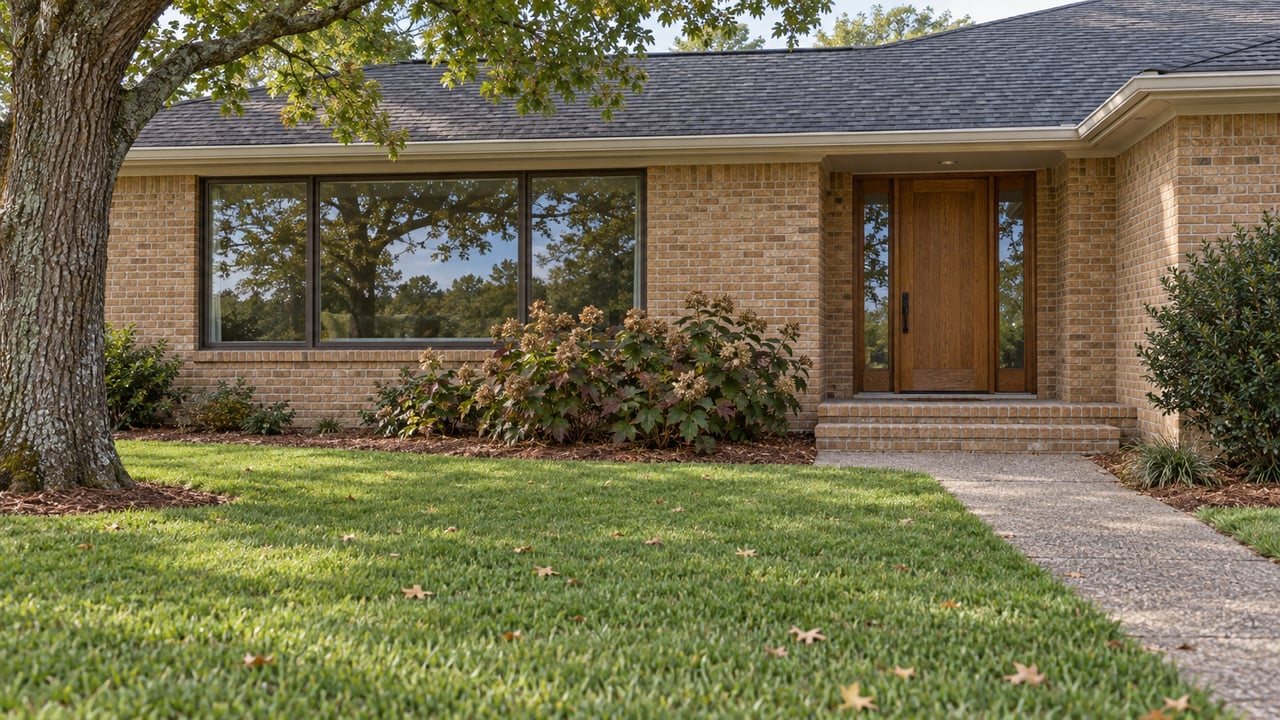
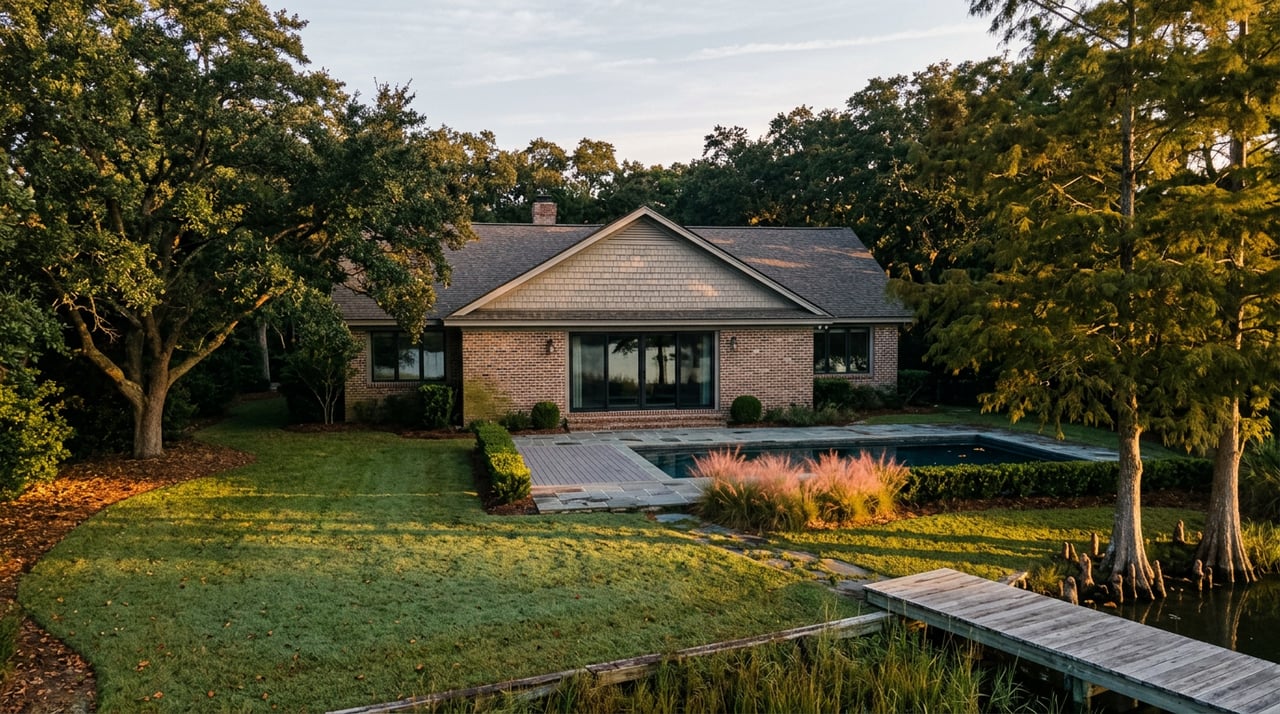
If you picture a condo-heavy shoreline, the North End may surprise you. Historic documentation for the area supports a housing pattern defined more by single-family homes, legacy residences, beach cottages, and later infill than by a wall of resort-style development.
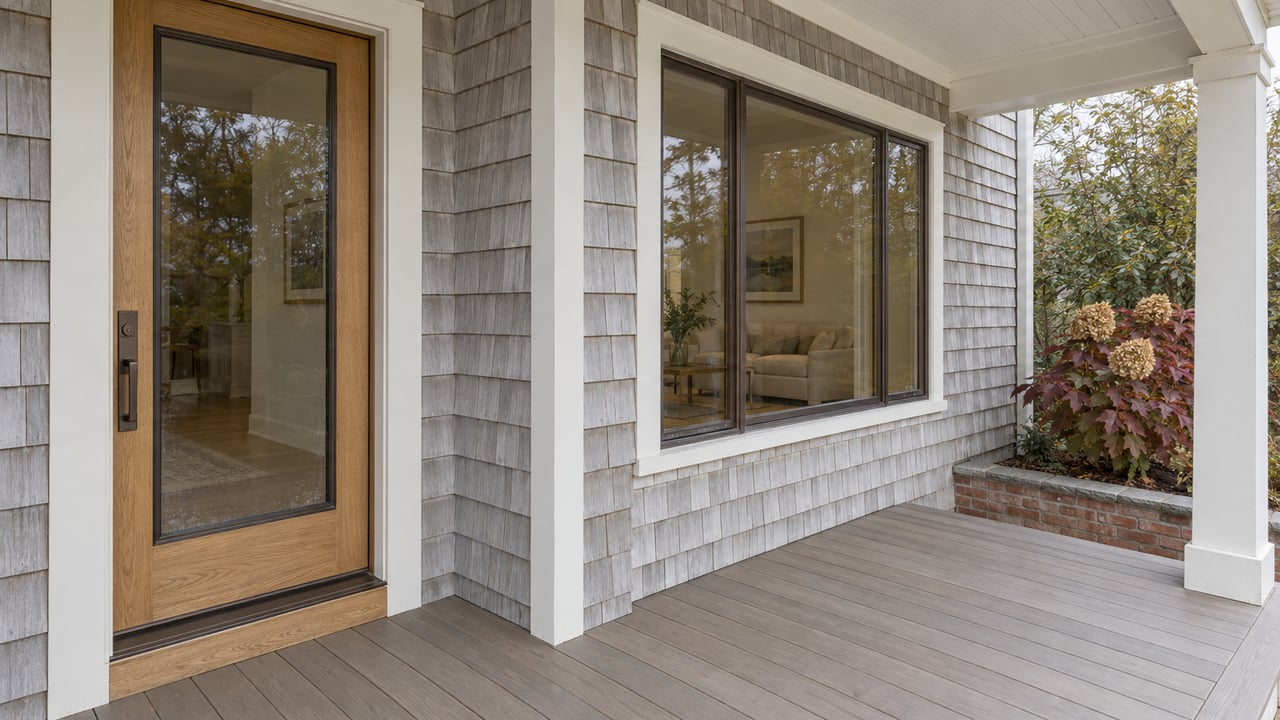
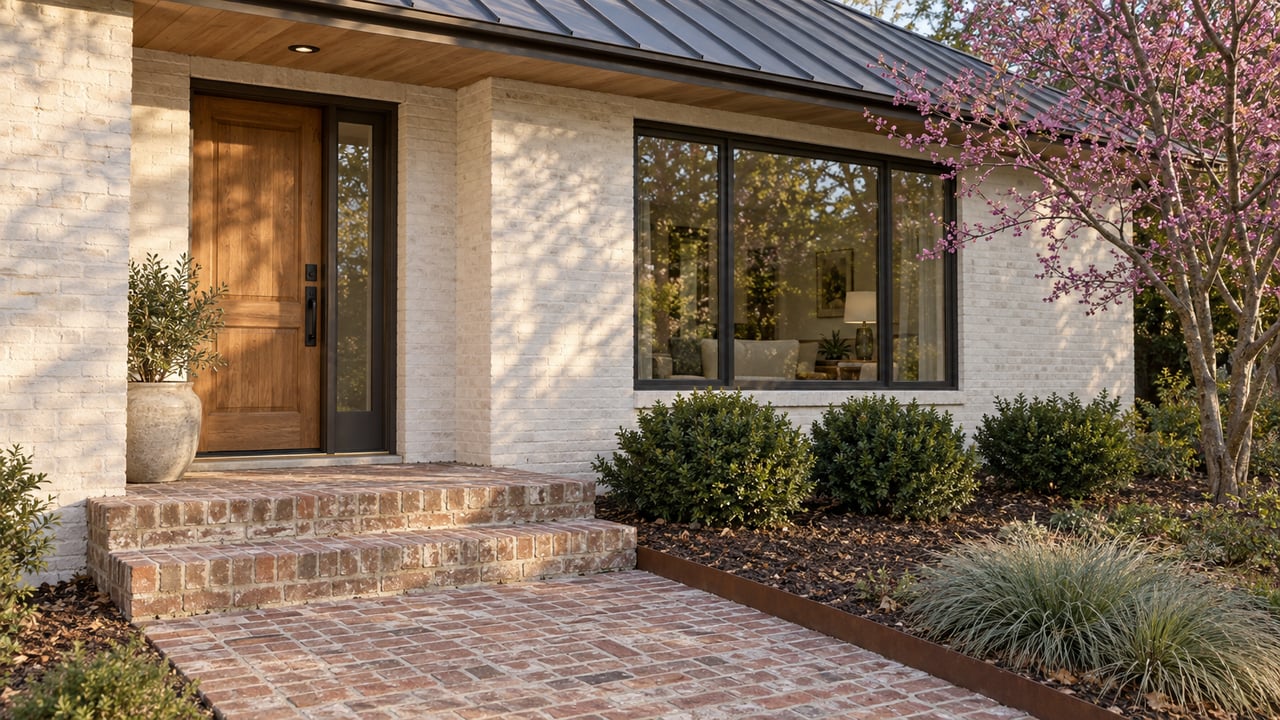
That mix creates a layered streetscape. You may see older homes with classic coastal proportions, larger historic properties, and newer additions that reflect changing design trends over time.
Architectural Character You Can See
In Cavalier Shores, Colonial Revival is identified as the dominant architectural style, with Tudor Revival and Minimal Traditional also present. Later homes introduced ranch, contemporary, and shed-style designs, while early plans referred to some homes as Beach Cottage.
For buyers, that means the North End does not read as one-note. Instead, it offers a variety of home styles that can appeal to buyers looking for historic character, a classic coastal feel, or a more updated take on oceanfront living.
Daily Life: Walking, Biking, and Coastal Routine
The North End lifestyle is about more than the sand. Walking and biking are part of how many people move through this part of Virginia Beach, and the city supports that broader coastal rhythm through an active transportation network with more than 146 miles of paved bike and pedestrian routes.
Virginia Beach also takes a complete-streets approach to walking and bicycling. That helps support the kind of day-to-day mobility many buyers want when they picture an easier, more connected beach lifestyle.
E-Bike Rules Matter Here
If you use an e-bike, it helps to know how the rules shift by area. Virginia Beach says e-bikes are treated like traditional bicycles on most roadways outside the Resort Area, but they are prohibited on the Boardwalk, the Boardwalk Bike Path, and oceanfront sidewalks and plazas.
That is a small but useful detail because it highlights how the North End functions differently from the more regulated visitor zones to the south. In many ways, North End street life is more about neighborhood movement than tourism management.
Recreation Beyond the Oceanfront
The North End also benefits from its connection to other outdoor destinations nearby. Visit Virginia Beach highlights First Landing State Park for its 1.5 miles of Chesapeake Bay beachfront and accessible features.
The broader North End setting also includes access to marshland views, First Landing Beach, and the area around Cape Henry Lighthouse. That gives you more than one version of coastal scenery, with the Atlantic on one side and calmer bay-oriented landscapes close by.
Who the North End Often Fits Best
The North End tends to appeal to buyers who want a quiet coastal base with immediate beach access and a strongly residential setting. It can be a strong fit if you want proximity to the Oceanfront without living in the middle of hotel, restaurant, and event activity.
That can be especially attractive if you are relocating, moving up into a more lifestyle-driven home, or looking for a second-home feel in an established part of Virginia Beach. The area offers a sense of place that feels more rooted in homes and neighborhood fabric than in the resort experience.
What Buyers Should Keep in Mind
As appealing as the North End is, coastal living comes with practical considerations. Virginia Beach notes that the city is susceptible to flooding because of its elevation and proximity to water, and construction in Special Flood Hazard Areas requires a permit.
The city also advises homeowners to consider flood insurance and elevation certificates. If you are exploring North End homes, this is part of smart due diligence, especially for oceanfront or near-ocean properties.
A Strategic Buying Mindset Helps
In a neighborhood where location, street placement, beach access, and home style can vary block by block, details matter. Two homes may both have a North End address but offer very different day-to-day experiences based on access, layout, and how they sit within the surrounding streetscape.
That is why a clear strategy matters early. When you understand how the area is organized, you can narrow your search around the version of North End living that actually fits your goals.
The Bottom Line on North End Living
The North End offers a version of Virginia Beach that feels established, coastal, and distinctly residential. It is defined by homes instead of hotels, quieter side streets instead of boardwalk crowds, and a daily rhythm shaped by beach access, biking, and the area’s historic oceanfront fabric.
If that sounds like the kind of lifestyle you want, the next step is making sure you look beyond the headline of “oceanfront” and into the street-by-street details that shape how the neighborhood really lives. If you are ready to explore North End homes or compare this area with other Virginia Beach neighborhoods, connect with The Agency for a strategic, concierge-level conversation.
FAQs
What is the North End in Virginia Beach?
- The North End is Virginia Beach’s northern oceanfront residential district, stretching from First Landing State Park to the Resort Area and made up largely of homes, duplexes, and a few small commercial areas.
How is the North End different from the boardwalk area in Virginia Beach?
- The North End is generally quieter and more neighborhood-oriented, while the boardwalk area from 2nd to 40th Streets is more visitor-focused with hotels, restaurants, and attractions.
What types of homes are common in the North End of Virginia Beach?
- The area is known for a mix of single-family homes, beach cottages, historic houses, and later infill, with styles that include Colonial Revival, Tudor Revival, Minimal Traditional, ranch, and contemporary homes.
Is beach access easy in the North End of Virginia Beach?
- Yes, the North End offers multiple beach access points, ramp access at most entrances, and access ramps along the Oceanfront from 1st through 58th Streets.
Can you bike around the North End in Virginia Beach?
- Yes, biking is part of the local routine, and Virginia Beach supports walking and biking through a broad network of paved routes, though e-bikes are prohibited on the Boardwalk, Boardwalk Bike Path, and oceanfront sidewalks and plazas.
What should buyers know before purchasing a North End home in Virginia Beach?
- Buyers should pay close attention to coastal due diligence, including flood risk, Special Flood Hazard Area requirements, possible permitting needs, and whether flood insurance or an elevation certificate may be relevant.