If you are thinking about buying in Riverwalk, Yorktown, the first thing to know is simple: “Riverwalk” can mean two different things. That confusion trips up a lot of buyers, especially if you are searching from out of town or trying to move quickly. In this guide, you will learn what Riverwalk really includes, what homes there typically look like, which costs and rules deserve extra attention, and how to make a smart offer with fewer surprises. Let’s dive in.
What Riverwalk Means
In Yorktown’s 23690 area, Riverwalk generally refers to Riverwalk Landing and Riverwalk Townes, but they are not the same thing.
Riverwalk Landing is the public waterfront district along the York River. It opened in 2005 and includes more than 21,000 square feet of retail and restaurant space, piers, a performance area, a parking terrace, the beach, and a mile-long pedestrian route. It is designed for dining, shopping, events, and time on the waterfront.
Riverwalk Townes is the separate residential townhome community nearby. For a buyer, that distinction matters because owning in Riverwalk Townes does not mean you are buying a private riverfront property. Instead, you are buying a home that may offer convenient access to Yorktown’s active waterfront district.
Why Buyers Look at Riverwalk
For many buyers, the appeal is not direct waterfront ownership. It is the chance to live near the Yorktown waterfront while keeping the day-to-day ownership experience more manageable.
Riverwalk Landing adds a lot to that lifestyle. York County notes that the area offers 1,200 linear feet of dockage, electrical service, water, sewer pump-out, overnight stays, mooring options, and public boat-landing facilities. If river access and walkable waterfront activity matter to you, that nearby access can be a major draw.
This setup can be especially attractive if you want a practical home base in Yorktown without taking on the maintenance, exposure, and price point that often come with true riverfront ownership. That balance is one reason Riverwalk stands out.
What Homes in Riverwalk Townes Are Like
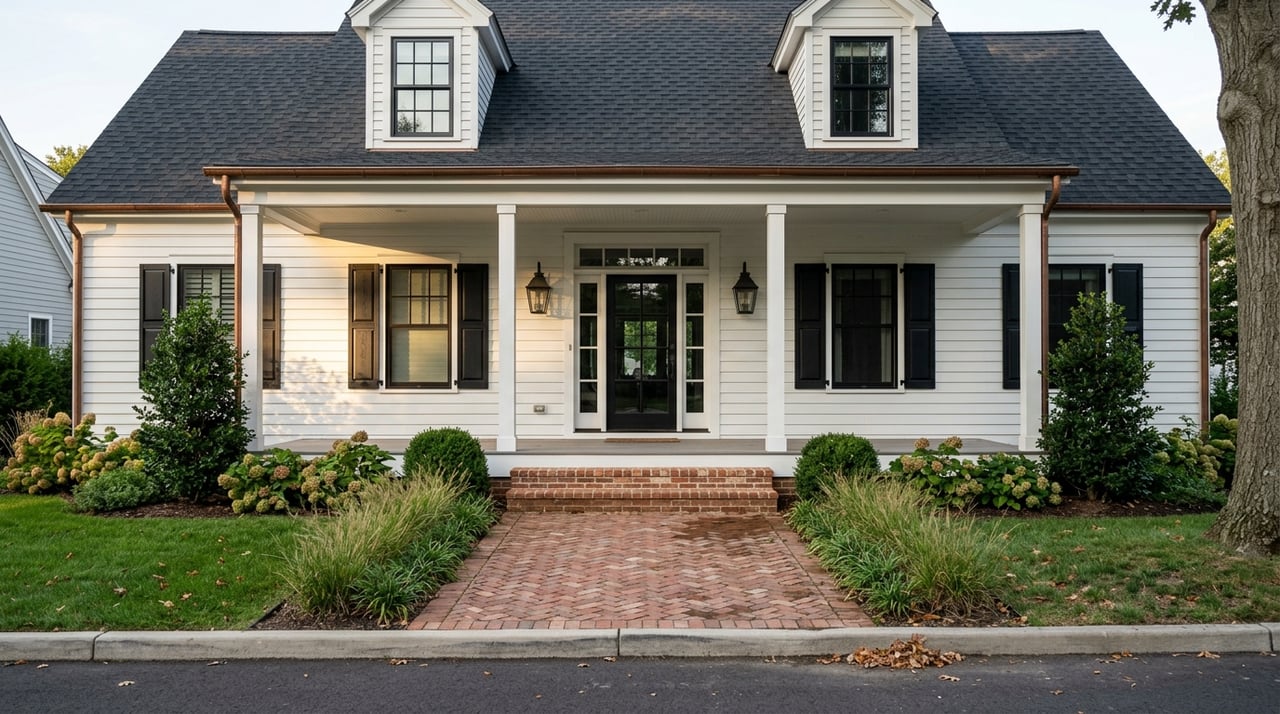
Recent Riverwalk Townes listings point to a fairly consistent housing product. Most are attached townhomes with 3 bedrooms and 2.5 to 3 baths, generally ranging from about 1,485 to 2,221 square feet.
Build dates in recent listings typically fall between 2008 and 2013. Listings also often describe the community as maintenance-free and mention amenities such as a pool, clubhouse, fitness facilities, and walking trails.
That tells you a lot about the likely buyer fit. If you want detached acreage, extensive private outdoor space, or a one-of-a-kind waterfront estate, this is probably not the match. If you want lower-maintenance living near Yorktown’s waterfront and activity centers, Riverwalk Townes may deserve a close look.
Understand the HOA Before You Buy
In Riverwalk Townes, the HOA is not a side note. It is a central part of the ownership experience.
According to the community FAQ, exterior changes such as fences, decks, awnings, and pavers require HOA approval. The HOA also references architectural review, landscape, amenities, nomination, and social committees.
That does not make the community better or worse. It simply means you should go in with clear expectations. If you value structure, shared standards, and managed amenities, the HOA may support the lifestyle you want. If you prefer complete control over exterior changes, you will want to weigh that carefully before writing an offer.
There are also practical amenity details worth noting. The clubhouse can be reserved through town management, a $300 clubhouse reservation deposit is required, and listed pool hours are 10:00 a.m. to 8:00 p.m. These small details help paint a more realistic picture of day-to-day ownership.
Budget for Ongoing Ownership Costs
Before you decide what price feels comfortable, take time to map out the recurring costs tied to the home.
One recent Riverwalk Townes listing showed HOA dues of $190 per month, or about $2,280 per year, though dues can vary and may change over time. That means you should confirm the current estoppel or HOA statement before closing and ask exactly what the dues cover.
You should also account for York County real estate taxes. The current county real estate tax rate is $0.78 per $100 of assessed value. On a $350,000 home, that works out to about $2,730 per year before any exemptions.
York County says real estate assessments are completed on a biennial cycle, with 2026 assessments effective from January 1, 2026 through December 31, 2027. Taxes are due June 25 and December 5, so it helps to know how those payments fit into your annual budget.
Flood Zone Checks Matter Here
Any waterfront-adjacent purchase in Yorktown deserves careful flood due diligence. Riverwalk is no exception.
York County says some homeowners are required to carry flood insurance and that the county uses FEMA FIRM maps. The county also notes that flood mapping boundaries are approximate, so you should verify the exact property rather than assume the whole neighborhood has the same status.
This is especially important if a home falls within AE or VE flood zones, where flood insurance purchase requirements apply. York County also states that flood insurance has a 30-day waiting period before it goes into effect, which is another reason to investigate early.
A smart step is to use the county property information search to check flood zone and building details by address. In Riverwalk, parcel-level verification is much more reliable than broad neighborhood assumptions.
School Zoning Should Be Verified by Address
If school assignment matters in your move, confirm it using the specific property address.
York County School Division says a student’s permanent residence determines assignment and that the division uses attendance-zone maps. The York zone includes Yorktown Elementary, Yorktown Middle, and York High, but buyers should still verify the address they are considering rather than rely on neighborhood marketing language.
That extra step is quick, and it can help you make a more confident decision before you move forward.
How Riverwalk Fits the Yorktown Market
Market context helps you understand where Riverwalk may sit relative to the broader Yorktown area.
Current snapshots show a mid-market to upper-mid-market Yorktown environment, depending on the metric. Zillow reports an average Yorktown home value of $478,257 with homes pending in about 24 days, while Realtor.com reports a 23690 median listing price of $595,740 with 37 homes for sale.
Recent Riverwalk Townes listings in the mid-$300,000s suggest this community can come in below ZIP-wide listing medians. That may matter if you want Yorktown access and waterfront proximity without stretching into higher-priced water-view or waterfront-adjacent inventory elsewhere in the area.
A Practical Buying Strategy for Riverwalk
A focused plan can make a big difference, especially if inventory is limited or you are buying on a timeline.
Get Preapproved Early
A preapproval letter helps you understand your price range before you get serious about touring and offers. The research notes that preapproval often expires in 30 to 60 days, so keeping it current matters.
That is especially useful in a neighborhood like Riverwalk, where you may also need time to review HOA documents and confirm carrying costs. Strong preparation gives you more control when the right home appears.
Inspect Early and Thoroughly
Once you are under contract, schedule your independent home inspection as soon as possible. Early timing gives you room to evaluate issues, request repairs if appropriate, and order any additional inspections.
In Riverwalk, buyers may want extra attention on:
- Water intrusion
- Drainage
- Roof and exterior condition
- Any repair responsibilities that may overlap between owner and HOA
Those questions are easier to sort out when you start early.
Review the HOA Documents Carefully
This is one of the most important steps in Riverwalk Townes. You want to know not only the dues, but also the rules, approval requirements, amenity details, and any limits that could affect how you plan to use the property.
If you are comparing Riverwalk to a non-HOA option, this review becomes even more important. The lifestyle difference can be just as meaningful as the price difference.
Do a Final Walk-Through With Purpose
Before closing, use your final walk-through to confirm the home’s condition and make sure any agreed items have been addressed. This is your chance to check that the property is in the expected condition before you sign.
It is also wise to review your closing documents carefully and budget for closing costs, which the research notes commonly run about 2% to 5% of the purchase price, separate from the down payment.
Tips for Remote Buyers
If you are relocating or buying from outside the area, Riverwalk can still be evaluated carefully with the right process.
A practical workflow looks like this:
- Start with a live video tour.
- Check the county GIS and flood-zone information for the exact parcel.
- Review HOA documents in detail.
- Revisit in person if possible during a busier waterfront period.
That last step matters because Riverwalk Landing is an active waterfront destination. Visiting during a busy period can help you gauge parking, traffic, and event activity so you understand how the area feels beyond listing photos.
Is Riverwalk Right for You?
Riverwalk can be a strong fit if you want low-maintenance townhome living near Yorktown’s waterfront district rather than direct riverfront ownership. It offers a practical way to be close to dining, events, docks, and river views while staying in a more defined residential product.
The key is buying with clear eyes. You want to understand the Riverwalk Landing versus Riverwalk Townes distinction, verify flood and zoning details by address, and read the HOA documents closely before moving forward.
That kind of precision is where a smoother purchase starts. If you want guidance on buying in Riverwalk or anywhere in Yorktown, Thompson and Partners at The Agency can help you build a smart plan and move with confidence.
FAQs
What is the difference between Riverwalk Landing and Riverwalk Townes in Yorktown?
- Riverwalk Landing is Yorktown’s public waterfront district for dining, shopping, events, and dock access, while Riverwalk Townes is the separate residential townhome community nearby.
What types of homes are common in Riverwalk Townes in Yorktown?
- Recent listings show attached townhomes, usually with 3 bedrooms, 2.5 to 3 baths, and roughly 1,485 to 2,221 square feet, with many built between 2008 and 2013.
Do Riverwalk Townes homes in Yorktown have an HOA?
- Yes. HOA materials note that certain exterior changes require approval, and the community also includes amenity and architectural review guidelines.
How much are Riverwalk Townes HOA dues in Yorktown?
- One recent listing showed dues of $190 per month, but buyers should confirm the current HOA statement because dues and coverage can change.
Do you need to check flood zones when buying in Riverwalk, Yorktown?
- Yes. York County says flood zone status should be verified by exact parcel, and some properties in AE or VE zones may require flood insurance.
What are York County real estate taxes for a home in Riverwalk?
- York County’s current real estate tax rate is $0.78 per $100 of assessed value, which would equal about $2,730 annually on a $350,000 home before exemptions.
Which schools may serve a Riverwalk address in Yorktown?
- York County School Division says school assignment depends on the student’s permanent residence, and the York zone includes Yorktown Elementary, Yorktown Middle, and York High, though buyers should verify the specific address.
Is Riverwalk a good option for remote buyers moving to Yorktown?
- It can be, especially if you use a structured process that includes a live video tour, parcel-level flood checks, detailed HOA review, and an in-person visit if possible.