PCSing to Hampton Roads and trying to decide if Great Bridge is the right fit? You want a house that works for daily life, a commute you can count on, and a plan that keeps your move on schedule. In this guide, you’ll learn how Great Bridge stacks up for military families, what to expect on pricing and commutes, and how to buy confidently even if you’re remote. Let’s dive in.
Why Great Bridge works for military buyers
Location and daily life
Great Bridge sits in central and southern Chesapeake near the Elizabeth River and the Albemarle & Chesapeake Canal. The planning area centers around Cedar Road and Battlefield Boulevard, with municipal services close by. Local planning highlights a pedestrian- and family-focused environment by Chesapeake standards. You can review the city’s planning snapshot to get a feel for the area’s layout and amenities on the City of Chesapeake planning page.
Parks and recreation
Water is part of daily life here. Great Bridge Lock Park offers a boat ramp, kayak and canoe launch, and picnic spots, so getting on the water is simple. If you enjoy weekends outdoors with family and friends, this park anchors that lifestyle. Explore features and location on the Great Bridge Lock Park facility page.
Healthcare access
Chesapeake Regional Medical Center serves the community and is convenient from Great Bridge. If quick access to a hospital is on your checklist, this is useful context while you compare neighborhoods. See contact and location details from Chesapeake Regional Medical Center.
Housing mix and price context
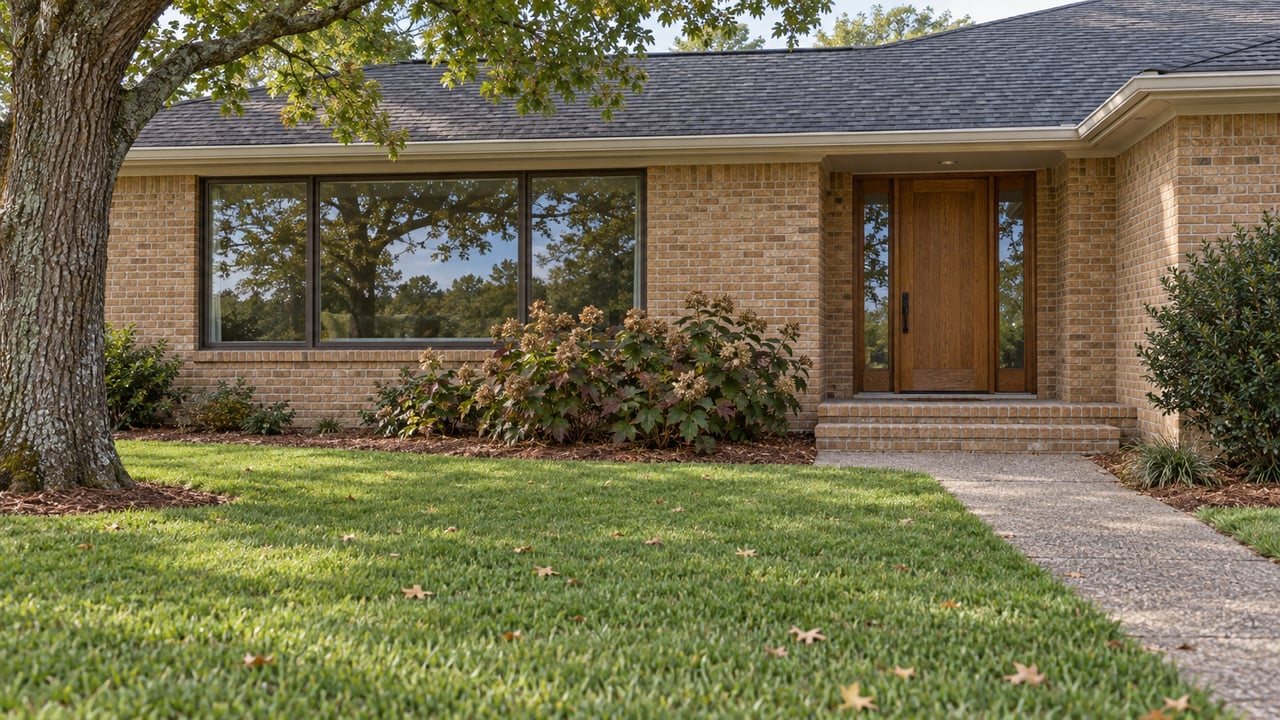
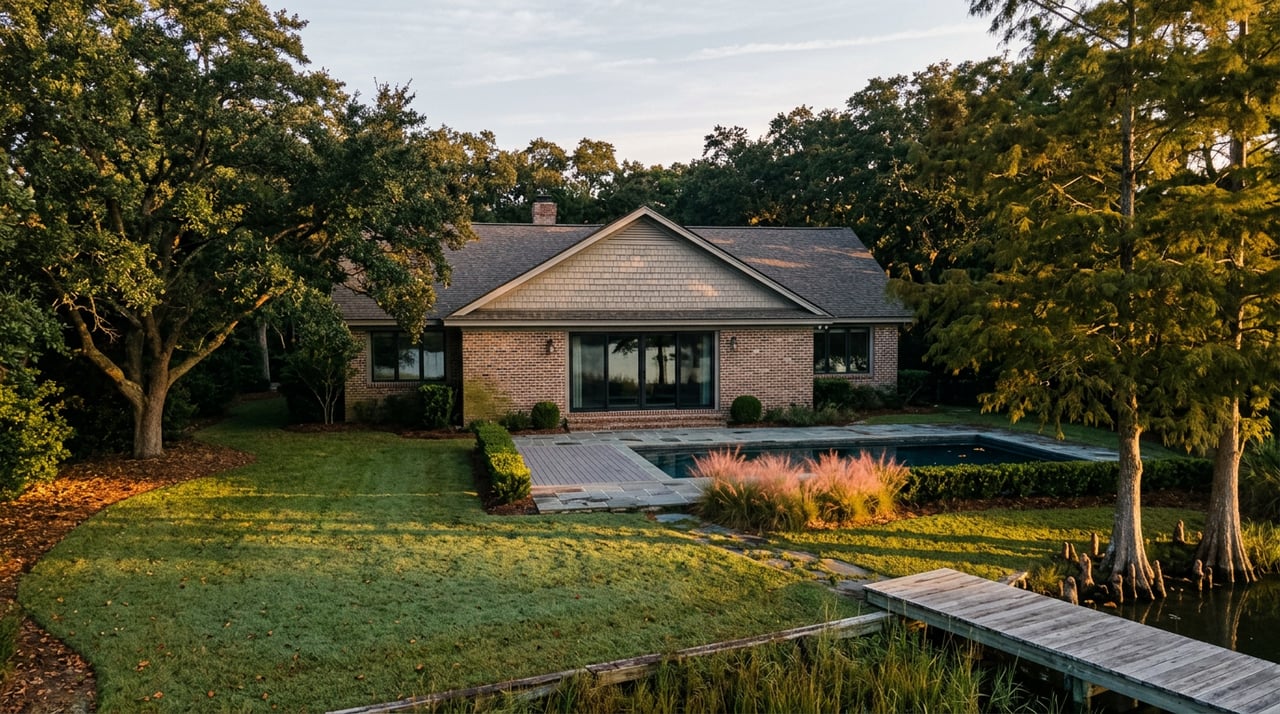
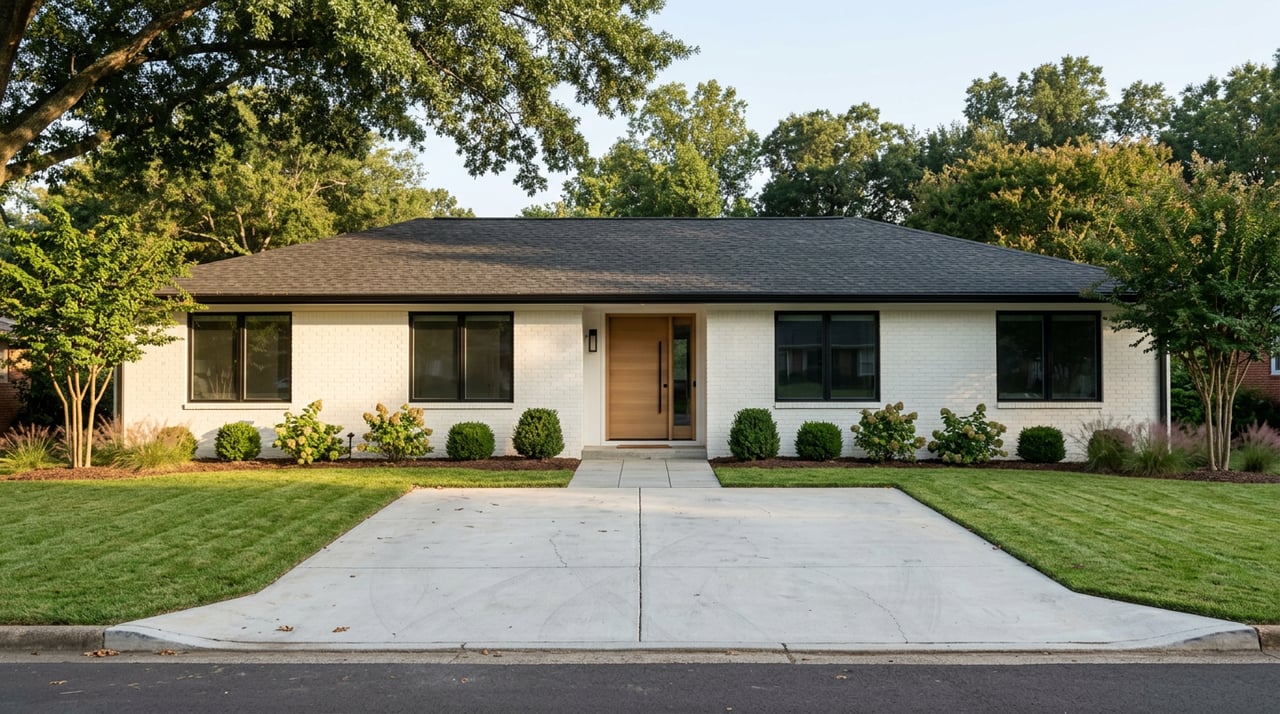
You’ll mainly find suburban single-family homes, many built after the 1980s, with some townhomes and condos mixed in. Lots tend to be larger than in more urban pockets of the region. Neighborhood-level market snapshots place the median sale price roughly in the low-to-mid 500s, with a recent estimate around 533,500 dollars as of early 2026. Days on market often sit in the multi-week range, though conditions change quickly, so plan around real-time data when you structure offers.
Schools and zoning basics
Primary feeders near Great Bridge include Cedar Road Elementary, Great Bridge intermediate and middle schools, and Great Bridge or Grassfield-area high schools. Some schools receive above-average ratings on third-party sites, which many families review during PCS planning. Always verify current attendance boundaries during the contract period, since zones can change. For a neutral starting point, you can review Cedar Road Elementary’s profile on GreatSchools.
Early risk checks to run
- Flood and coastal risk: Because the area is close to waterways, check the exact flood-zone designation for any property. Lenders may require flood insurance based on FEMA maps, which affects your monthly budget. Start with the FEMA Flood Map Service Center.
- Drawbridge and local traffic: Battlefield Boulevard includes a lift bridge near the Great Bridge Lock. Bridge openings can briefly pause traffic, so factor this into your commute if you’ll cross that corridor regularly. You can reference the local setting on the Great Bridge Lock Park page.
Commutes from Great Bridge to major bases
Great Bridge positions you on the Southside, which helps you avoid harbor tunnel crossings for many Navy and DoD locations in Norfolk and Virginia Beach. Commutes to Peninsula bases typically require a tunnel or bridge, which adds variability. Use VDOT tools and traffic cams before your first-day commute. Learn more about regional chokepoints on VDOT’s bridges and tunnels resource.
Typical drive-time ranges under normal conditions:
- Naval Station Norfolk: about 20 to 35 minutes, depending on route and shift change.
- Norfolk Naval Shipyard (Portsmouth): roughly 20 to 30 minutes via surface highways.
- Joint Expeditionary Base Little Creek–Fort Story: generally 25 to 35 minutes, depending on where you report.
- NAS Oceana / Dam Neck Annex: about 30 to 45 minutes, with Virginia Beach neighborhoods often closer to these aviation-side gates.
- Joint Base Langley–Eustis: plan a longer and less predictable commute due to required harbor crossings. Incidents can add 20 to 40 minutes or more, so build in buffer time.
Practical tips:
- Test your route at expected gate times if you can visit before closing.
- If you cannot travel, ask your agent for sample commute snapshots and typical ranges for your reporting window.
- Keep a plan B for tunnel incidents, especially if your duty station is on the Peninsula.
How to buy remotely with a VA loan
Remote buying is common for PCSing families. A clear sequence reduces stress and protects your timeline.
Step 1: Align budget, BAH, and VA pre-qualification
Confirm your BAH and secure a VA pre-qualification early. VA loans include specific program rules and appraisal standards known as Minimum Property Requirements. You can review the program handbook at the VA’s official site.
Step 2: Hire a local, military-savvy agent
Look for an agent experienced with PCS buyers and remote closings. Ask for recent references from military clients, examples of sight-unseen purchases they have managed, and their plan for live video tours and documentation.
Step 3: Vet homes with multimedia
Request full video walk-throughs, 3D tours when available, and detailed footage of systems and structure areas like crawlspaces, rooflines, and mechanicals. A trusted friend or third party can provide independent eyes if you cannot attend. For general guidance on buying from a distance, review this Military OneSource overview for remote buyers.
Step 4: Plan for e-signing, RON, or POA
Virginia authorizes Remote Online Notarization, but acceptance varies by lender and title company. Confirm whether your settlement team supports RON and electronic recording in the property’s county. You can reference Virginia’s notary statute framework on the Virginia Legislative Information System. If in-person signing is required or preferred, arrange travel or a limited Power of Attorney that your lender and title company approve.
Step 5: Order inspections and coordinate the VA appraisal
Schedule a private home inspection right after ratification, plus WDI and any specialized inspections as needed. Separately, the VA appraisal checks value and basic habitability under MPRs. Turn times vary by county, so start promptly and coordinate with your lender to prevent delays. The VA handbook outlines appraisal expectations.
Step 6: Use tailored contingencies and set realistic timing
Consider contract language that accounts for PCS timing or unexpected order shifts, if appropriate. Typical financed closings run about 30 to 45 days from ratification. If repairs are required to meet VA standards, allow extra time. When timing is tight, discuss a temporary rental, a short rent-back, or other bridge options with your agent.
Great Bridge vs nearby options
When you have days, not months, to choose a neighborhood, compare tradeoffs quickly.
- Great Bridge (Chesapeake): Suburban setting with larger-lot options, established services, and a central Southside location. Commutes to many Norfolk and Virginia Beach posts do not require harbor tunnel crossings. Prices often land in the mid 400s to mid 500s and above, depending on home size and features.
- Virginia Beach: Often the shortest commute to NAS Oceana and Dam Neck. Some areas trend higher in price, especially closer to the oceanfront.
- Norfolk: Shortest drives to Naval Station Norfolk with a more urban housing mix. Housing ages and styles vary widely by neighborhood.
- Portsmouth: Often more affordable than some nearby areas, with commutes that can work well for Norfolk Naval Shipyard. Be mindful of route choices for Midtown or Downtown Tunnel use.
- Peninsula (Hampton, Newport News) or Suffolk: Direct access to Langley–Eustis or shipbuilding may be easier from the Peninsula. From Great Bridge, these routes require a harbor crossing, which is less predictable. For context on chokepoints, see VDOT’s bridges and tunnels page.
Six-to-ten-week PCS buying timeline
Use this as a fast-track framework. Your exact steps may shift based on orders and lender turn times.
- Week 0–1: Confirm BAH, get VA pre-qualification, and align on budget and commute goals. Share must-haves and nice-to-haves.
- Week 1–2: Narrow to 2 or 3 priority areas. Your agent compiles live video tours, notes on school zoning, and representative commute ranges.
- Week 2–4: Write offers on top homes. Once under contract, order private inspections immediately and start the VA appraisal through your lender.
- Week 4–8: Clear underwriting conditions, finalize title work, and choose your signing method (in-person, RON, or POA). Coordinate utilities and move logistics.
- Post-closing: Confirm recording, set up utilities, complete change of address, and, if needed, finalize school registration.
Quick buyer checklist for Great Bridge
- Confirm BAH and VA pre-qualification.
- Test or simulate your base commute at gate time.
- Screen flood risk on the FEMA Map Service Center.
- Verify school boundaries with the district before removing contingencies.
- Use video tours and on-the-ground eyes to validate home condition and setting.
- Order home, WDI, and any specialized inspections promptly.
- Align with your lender on VA appraisal timing and any required repairs.
- Confirm closing method: in-person, RON, or POA based on lender and title guidance.
What to expect on pricing and competition
In Great Bridge, neighborhood-level data places the median sale price around the low-to-mid 500s, with a recent snapshot near 533,500 dollars. Inventory can be competitive, and days on market often run in the multi-week range. Align your offer strategy with real-time conditions, focusing on clean timelines, strong documentation, and repair language that accounts for possible VA MPR items. If you need added flexibility, discuss PCS-friendly contingencies that protect your move window.
Ready to compare homes in Great Bridge or map your PCS plan? Our team pairs local knowledge with a concierge process that works for remote buyers. Reach out to The Agency to Schedule a Consultation and get a tailored plan for your orders, timeline, and budget.
FAQs
Can I close on a Chesapeake home remotely if I’m PCSing?
- Often yes. With a local agent, a title company that accepts Virginia Remote Online Notarization, or a limited POA approved by your lender and title team, you can complete closing from afar. Review notary rules on the Virginia LIS site.
How reliable are commutes from Great Bridge to Naval Station Norfolk?
- Under typical conditions, many drives land in the 20 to 35 minute range. Always account for shift changes and incidents. Use VDOT’s bridges and tunnels page for regional context and check live traffic before departures.
What should I know about flood zones in Great Bridge?
- Proximity to waterways means some properties may sit in designated flood zones. Lenders may require flood insurance. Check the exact parcel on the FEMA Flood Map Service Center and factor premiums into your budget.
How do school boundaries work in Chesapeake near Great Bridge?
- Attendance zones can shift with new construction or rezoning, so verify the property’s current school assignments during the contract stage. As a neutral reference point, review school profiles such as Cedar Road Elementary on GreatSchools.
Do VA loans take longer to close for Great Bridge purchases?
- VA appraisals and MPR checks can add steps, especially if repairs are required. Typical financed closings run about 30 to 45 days, so order inspections and the VA appraisal promptly. For VA program guidance, see the official VA handbook.
What if my duty station is on the Peninsula (Langley–Eustis)?
- From Great Bridge, you will cross a harbor tunnel or bridge, which can add variability to your commute. Some families choose Peninsula neighborhoods for predictability, while others build in daily buffer time. Review regional chokepoints on VDOT’s bridges and tunnels guide.