Picture your morning: coffee in hand, a heron skimming Broad Bay, or a quiet cul-de-sac where the only waves are from your sprinkler. In Great Neck and nearby Little Neck, that choice between waterfront and inland living shapes your daily routine, your budget, and your long-term plans. If you’re weighing view and boat access against maintenance, insurance, and resale flexibility, you’re in the right place. In this guide, you’ll learn the true cost ranges, lifestyle tradeoffs, and a clear framework to help you decide with confidence. Let’s dive in.
Great Neck at a glance
Where water meets suburbia
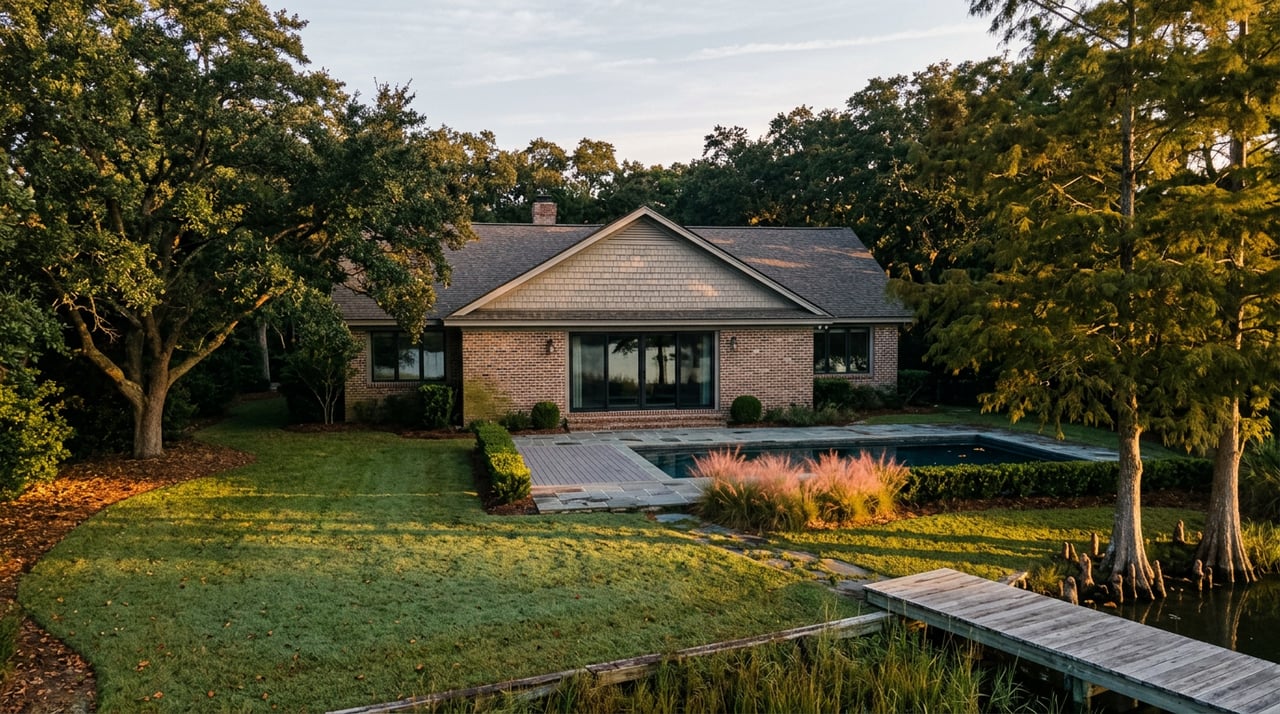
Great Neck sits on a peninsula between Broad Bay and the Lynnhaven and Linkhorn river system. Little Neck branches off nearby with canals and coves. This waterfront geography creates three common property types you’ll see on tours: direct waterfront with private docks, water-view homes that back to marsh or shoreline, and inland homes with traditional lots.
Everyday conveniences
You’re close to outdoor and fitness hubs. The Great Neck Recreation Center and adjacent Great Neck Park offer courts, an indoor pool, and trails. Many residents also use First Landing State Park for trails and beach access. Boaters have options beyond private docks through Long Bay Pointe Marina, which offers slips and marina services on West Great Neck Road. Public school assignments often include nearby middle and high schools; always verify zone information directly with the district.
What homes cost today
Housing in Great Neck and Little Neck spans a wide range. Recent neighborhood medians show Great Neck around 430,500 dollars and Little Neck around 490,000 dollars, based on recent sales snapshots. Another commonly cited index showed Great Neck values near 516,000 dollars during the same period. Methodologies differ, and neighborhood medians move month to month. In one recent month, Great Neck’s median dipped about 11 percent year over year, a reminder that small sample sizes and seasonality drive swings. Use your agent’s MLS comps and closing data for address-level accuracy.
Typical price bands you’ll see on the ground:
- Condos and townhomes: about 200,000 to 400,000 dollars.
- Inland single-family homes: roughly 350,000 to 800,000 dollars, depending on size, updates, and proximity to parks and schools.
- Water-view or canal-adjacent homes without private deep-water docks: around 450,000 to 1.2 million dollars, based on view quality, lot characteristics, and any shared or community access.
- Direct waterfront with private dock or deep-water access: commonly 800,000 dollars to several million. Many cluster from 1 to 3 million dollars, with legacy estates and very deep-water frontage higher.
Lifestyle and upkeep by property type
Waterfront: access and obligations
Waterfront living delivers the most direct lifestyle return if you boat, fish, or paddle regularly. You’ll enjoy premium views, quick access to the Bay and river, and top-tier entertaining spaces. If you prefer full-service boating without private dock management, Long Bay Pointe Marina offers slip options nearby.
The tradeoff is upkeep and risk. Shoreline structures like bulkheads, seawalls, and docks require routine inspections and eventual replacement. Typical residential seawall or bulkhead repair can run into the tens of thousands of dollars, with many jobs ranging about 15,000 to 60,000 dollars. Larger or full replacements can cost more, and permitting is required. A practical budget for boat lifts is several thousand dollars to 20,000 dollars or more, depending on capacity and type. For a sense of scale on seawall costs, review this seawall repair cost guide.
You should also plan for elevated insurance and storm exposure. Virginia Beach is investing in resilience. The city’s official adaptation strategy, Sea Level Wise, guides future drainage and flood-mitigation projects that can affect long-term carrying costs and value.
Water-view: scenic, simpler
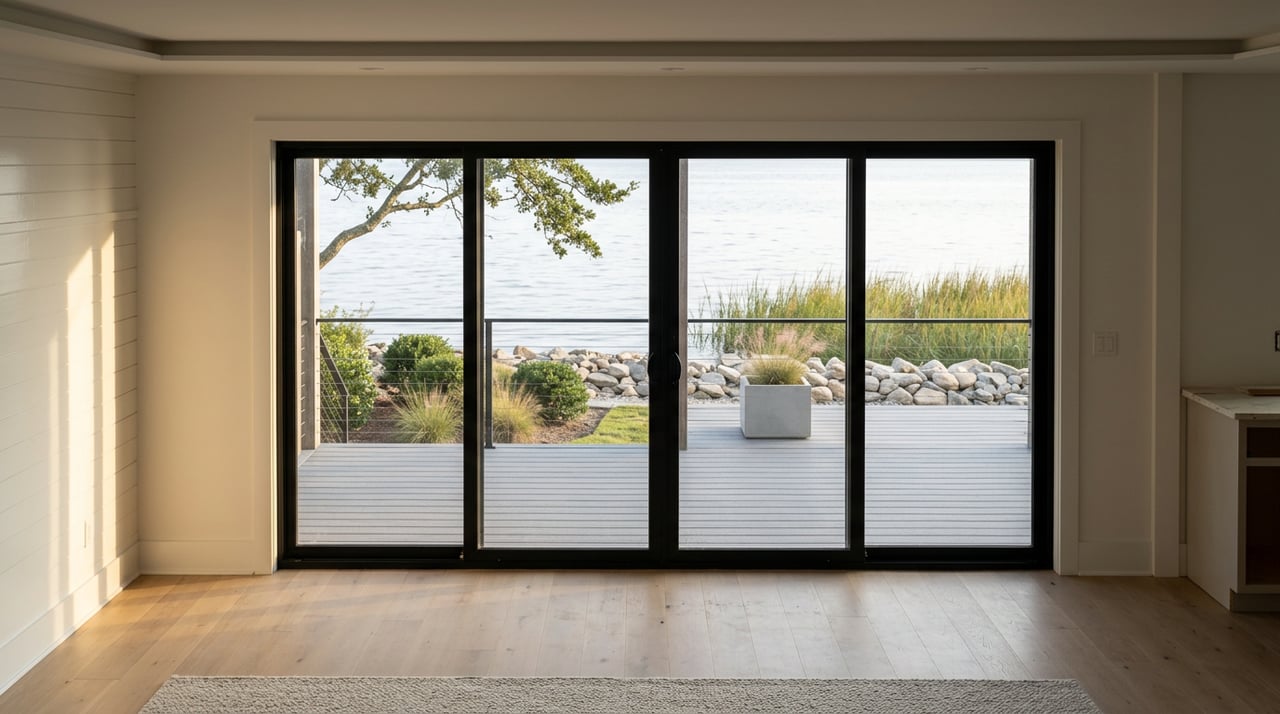
Water-view homes capture sunsets and marsh vistas without full dock and bulkhead responsibilities. Maintenance is usually lower than direct waterfront, and insurance can be more favorable than deep-water exposure. Depending on elevation, some water-view homes still sit in mapped flood zones, so you’ll want to check FEMA maps and request quotes early. The upside is a strong lifestyle value with fewer specialized repairs.
Inland: value and flexibility
Inland lots offer the broadest buyer pool and the lowest coastal maintenance profile. Many sit outside high-risk flood zones, which can reduce or remove flood insurance requirements, subject to lender and map status. If you prioritize schools, yard size, and a simpler maintenance plan, inland homes give you more options per dollar and an easier resale path.
Flood, permits, and insurance
Plan with local data
Virginia Beach integrates sea-level scenarios into neighborhood planning. The city’s Sea Level Wise strategy outlines stormwater projects, pump stations, and neighborhood bundles that may impact drainage, access, and long-term resilience in Great Neck and Little Neck. Reviewing planned work helps you understand potential benefits and future assessments or construction timelines.
Check maps and elevation
Before you fall in love with a view, confirm the flood zone. Use the FEMA Flood Map Service Center to look up your property’s effective panel and zone and to obtain a FIRMette. The NFIP’s Risk Rating 2.0 ties premiums to property-specific variables like distance to water, elevation, and foundation type. Some communities receive premium discounts through FEMA’s Community Rating System. Virginia Beach participates and has historically reported a community discount, which can lower NFIP premiums. Start with a quote from NFIP and at least one private carrier to compare options. Learn how community discounts work through this overview of CRS participation and premium impacts. For mapping guidance, see FEMA’s Flood Map Service Center documentation and visualize future scenarios with NOAA’s Sea Level Rise Viewer.
Shoreline work requires permits
Docks, bulkheads, riprap, living shorelines, and similar projects typically require approvals. Virginia law and VMRC policy encourage living shorelines where suitable and establish permitting pathways through state and local boards. Review the Code of Virginia’s marine resources framework and ask for any existing permit history during due diligence. Many Great Neck residents have adopted living shoreline solutions in sheltered areas through local initiatives such as Lynnhaven River NOW projects. These can have different maintenance and environmental benefits than hard bulkheads, and they still require coordination with permitting authorities.
Quick decision framework
Ask yourself three questions to narrow your search fast:
- How often will you use the water? Daily or weekly boating points you to direct waterfront with a private dock. Occasional boating can be well served by a water-view home plus a marina slip. If you never boat, inland often gives you better value.
- What is your full budget, including carrying costs? Add estimates for shoreline work, insurance, and a 10 to 20 percent contingency for major coastal repairs over the next 10 to 20 years if you choose waterfront.
- What is your risk tolerance for long-term flood and sea-level exposure? If low, lean inland or look for elevated water-view lots. If higher, plan and budget for resilience projects in advance.
Micro-location guide
- Great Neck Point, Linkhorn, and Broad Bay frontage: Deep-water access and the widest views, paired with the highest maintenance and insurance exposure. Strong fit for active boaters who value immediate access and standout vistas.
- Little Neck canal pockets: A mix of water-view and mid-range waterfront opportunities that often balance access and cost. Good for buyers who want a dock or a view without the top-tier price of deep Broad Bay frontage.
- Interior Great Neck neighborhoods: Proximity to parks and schools, more choices per dollar, and a larger resale audience. Ideal if you want yard space and simpler upkeep.
Due-diligence checklist
Use this list to protect your timeline and budget:
- Flood maps and elevation: Pull the panel and zone from the FEMA Flood Map Service Center and save a FIRMette. Confirm any Letters of Map Change on file. Start here: FEMA flood map guidance.
- Insurance quotes: Get NFIP and one private flood quote. Ask whether Virginia Beach’s CRS participation provides a discount on NFIP premiums. See this CRS overview and impacts.
- Shoreline structure records: Request dates, permits, and maintenance for any dock, bulkhead, seawall, or lift. Confirm approvals through VMRC/local wetlands board. Reference the Code of Virginia.
- Marine inspection: Hire a qualified marine contractor to inspect docks, lifts, and seawalls and provide repair or replacement estimates. Calibrate your budget using this seawall repair cost guide.
- Living shoreline suitability: If you prefer softer solutions, ask an engineer about living shoreline options and permitting. Local examples include Lynnhaven River NOW projects.
- City resilience projects: Review planned neighborhood work and stormwater projects in Sea Level Wise to understand timing and potential impacts on drainage or access.
- Utilities: Confirm sewer or septic and utility status with the city, since these affect maintenance and resale.
- Taxes and assessments: Check the current city tax rate and any special assessments through the City of Virginia Beach tax rates.
- Lender and title checks: Ask your lender if flood insurance will be required and whether any pending FEMA map changes could affect closing.
The bottom line
If the water is central to your life, Great Neck’s waterfront delivers unbeatable access and vistas with higher ownership complexity. If you want scenery without the full responsibility of shoreline infrastructure, water-view can be the sweet spot. If you prioritize value, flexibility, and simpler upkeep, inland often wins. No single option is right for everyone. Match your lifestyle to your budget and risk tolerance, and you’ll land in the right pocket of Great Neck for the long term.
When you are ready to compare addresses and run true numbers on maintenance, insurance, and resale potential, our team can help you move with clarity and precision. Schedule a Consultation with The Agency.
FAQs
What is the typical price gap between waterfront and inland in Great Neck?
- Recent ranges show inland single-family often running about 350,000 to 800,000 dollars, while direct waterfront with private docks commonly spans 800,000 dollars to several million, with many from 1 to 3 million.
How much should I budget for bulkhead or seawall work on a waterfront home?
- Many residential repair jobs run roughly 15,000 to 60,000 dollars, with full replacements higher depending on length and conditions; get a marine inspection and a written estimate.
Do water-view homes in Great Neck still need flood insurance?
- Sometimes. It depends on elevation and the mapped flood zone. Check the FEMA Flood Map Service Center and get both NFIP and private quotes before you finalize a contract.
Where can I keep a boat if I buy an inland home in Great Neck?
- You can lease a slip at Long Bay Pointe Marina for access to full marina services without maintaining a private dock.
What permits do I need for docks or shoreline work in Virginia Beach?
- Most shoreline projects require approvals through the Virginia Marine Resources Commission and local wetlands board; review the Code of Virginia and request any existing permits from the seller.
How can I check long-term flood risk for a specific Great Neck address?
- Review the FEMA flood map panel and zone, then visualize future scenarios with NOAA’s Sea Level Rise Viewer and read the city’s Sea Level Wise plan for neighborhood projects.